Cordless Tyre Inflator UK: One Pump for the Car, Bike and SUV
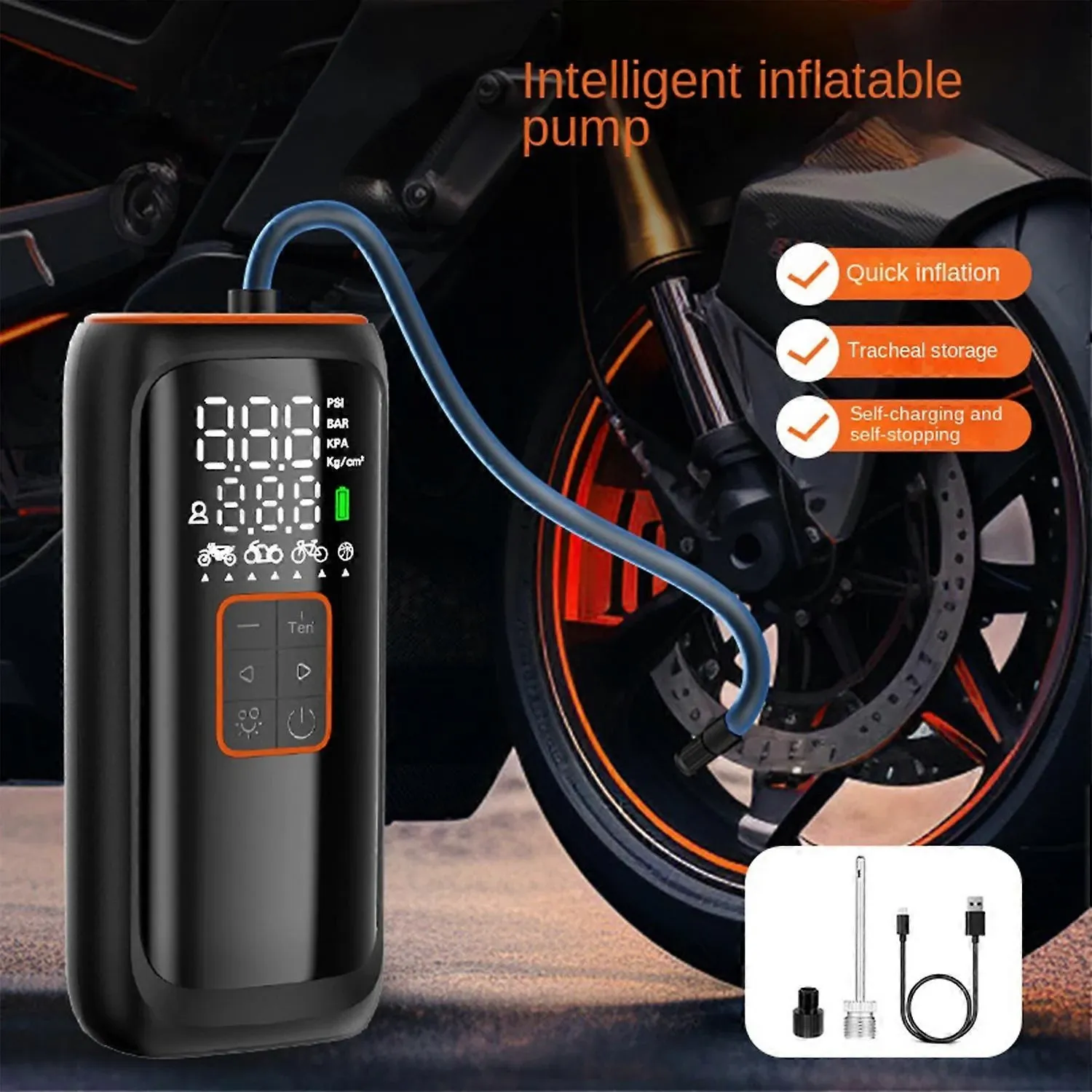
Short answer: the cordless tyre inflator that suits a busy household is one that handles the car, the kids' bikes and an e-bike from a single charge, fits both Schrader (car and most e-bike) and Presta (road bike) valves, and reaches 150 PSI so nothing is off-limits. Cordless wins for a family because you carry one pump to every wheel — no engine running, no cable that only reaches the front tyres. Look for a preset auto-stop, a USB-C battery and enough charge for several tyres in one go.
Once you are the person who checks everyone's tyres, one pump per job stops making sense. There is the car, the other half's car, the kids' bikes in the shed and maybe an e-bike, and each seems to want its own gadget. A good cordless tyre inflator replaces the lot: you grab one unit, walk round the driveway and the shed, and top up everything without dragging a 12V cable through a car window. This guide covers what a multi-vehicle household should actually look for.
Why cordless beats a 12V pump for a family
A 12V pump has to plug into the car and needs the engine running, and the cable often will not reach past the front wheels — never mind the bikes in the shed. A cordless model goes wherever the wheel is. For anyone doing the monthly round of car-plus-bikes, that portability is the whole point: fewer trips, no fumes in the garage, and no juggling extension leads.
One pump for car, bike and e-bike: valves and pressures
The trick to covering everything is valves and range. Car tyres and most e-bike and hybrid tyres use the fatter Schrader valve; road bikes usually use the slim Presta valve. A pump that includes both (or a Presta adaptor) does the whole fleet. On pressure, the spread is huge — a car sits in the low-to-mid 30s PSI, while a road-bike tyre can want 80–100 PSI — so a 150 PSI maximum with a preset auto-stop lets you switch from car to bike without over-doing the high-pressure tyres.
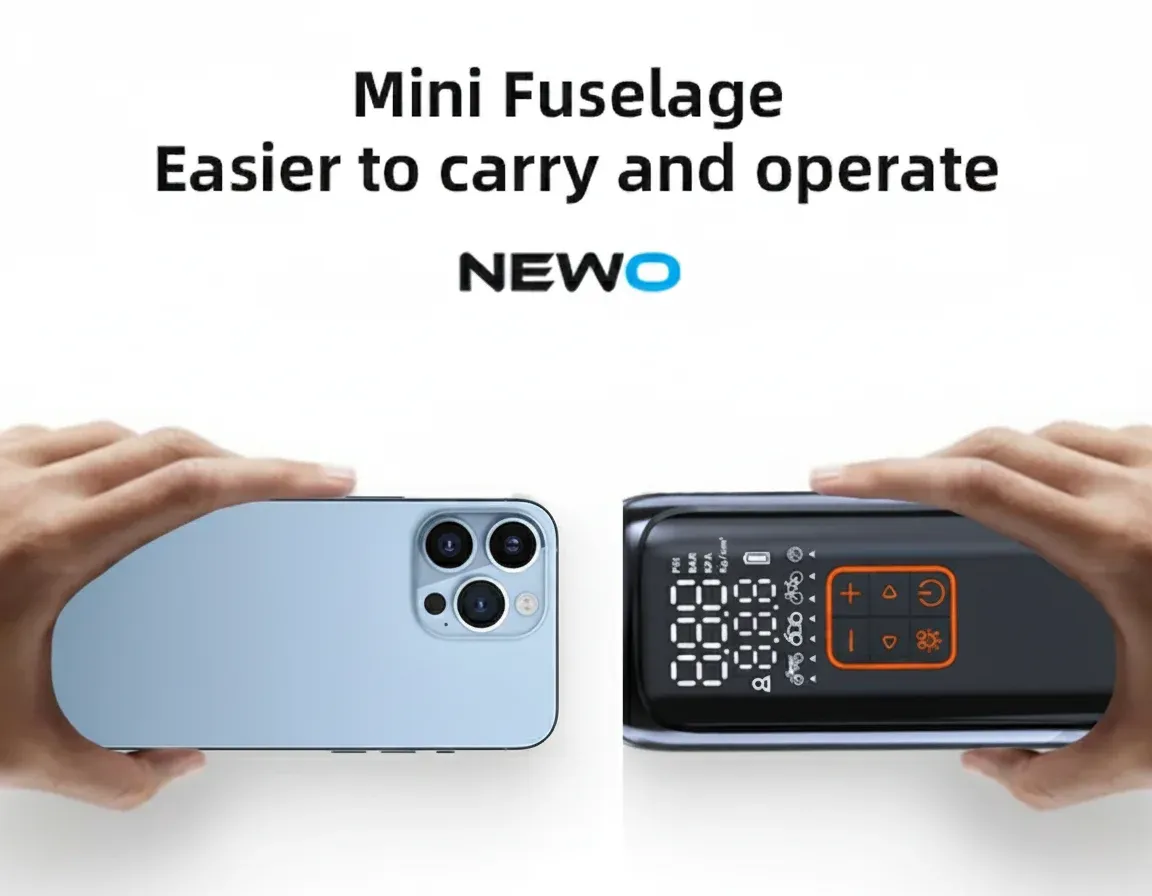
Battery life: how many tyres per charge?
This is where cheap pumps disappoint. A quality cordless unit should top up several car tyres on a single charge; smaller top-ups and bike tyres use much less. Take any "inflates X tyres" claim as a best case — cold tyres, near-flat starts and the LED light all draw more power — so halve it for real life and recharge between big sessions. USB-C charging is the practical choice because you already own the cables, and a battery gauge tells you before you start whether you will make it round the whole fleet.
What to look for
- Both valve types (Schrader + Presta/adaptor) so the road bikes are covered, not just the car.
- 150 PSI maximum and a decent flow rate (around 25 L/min) so car tyres fill quickly and high-pressure bike tyres are possible.
- Preset auto-stop so you can set each wheel's very different target and not stand over it.
- Four modes (car / motorcycle / bike / ball) that pre-load sensible pressures for each job.
- USB-C battery with a gauge so recharging is easy and you know your remaining runtime.
Is it worth paying more than a cheap no-name pump? For a household hammering it every month, yes — the budget ones are the ones that overheat after two tyres and read several PSI out. A mid-priced unit that lasts is cheaper than replacing a £25 pump twice a year.
Our pick for multi-vehicle households
The LMCLLPOR Digital Tyre Inflator (£54.76) is built around exactly this brief: cordless with a 4000 mAh USB-C battery, 3–150 PSI with a 25 L/min motor, a preset ±1 PSI auto-stop, an LED light and four modes for cars, motorcycles, bikes and balls. It handles the car and the shed from one charge, and comes with free tracked UK next-day delivery, 30-day returns and a 12-month warranty with UK support (4.8/5 from 300 reviews on the product page).
Want the accuracy detail, or a first-timer's overview? See choosing a digital tyre inflator and the beginner's guide to car tyre inflators. For the routine itself, read how to check tyre pressure at home.
Honest limits
High-volume tyres (a big SUV from flat, say) take longer and use more battery than a quick car top-up, so plan the order and charge first. And whatever a pump reaches, always inflate each wheel to its own correct figure — the car's door sticker for the car, the sidewall guidance for bikes — not one number for everything.
Frequently asked questions
Can one cordless tyre inflator do both car and bike tyres?
Yes, if it fits both valve types and reaches a high enough pressure. Cars and most e-bikes use Schrader valves while road bikes use Presta, so a pump with both (or a Presta adaptor) and a 150 PSI maximum covers the whole fleet.
Does a cordless tyre inflator handle Presta and Schrader valves?
Good ones do, either with two fittings or a Presta adaptor. Schrader covers the car and most e-bikes; Presta covers road bikes. Check this before buying if you want a single pump for everything.
How many tyres can a cordless inflator do on one charge?
A quality unit tops up several car tyres per charge, and many more small bike top-ups. Treat any headline claim as a best case, because cold tyres and the LED light draw extra power, and recharge over USB-C between big sessions.
Is a cordless tyre inflator better than a 12V pump for a family?
For multiple vehicles, usually yes. A cordless pump goes to every wheel including bikes in the shed without the engine running or a cable that only reaches the front tyres.
Ready to sort your tyres in minutes? The LMCLLPOR Digital Tyre Inflator is cordless, reads to ±1 PSI and stops on its own at your preset — £54.76 with free tracked UK next-day delivery, 30-day returns and a 12-month warranty.