Free Tracked UK Delivery on All Orders - Limited Stock Remaining

Written by Tomasz Nowak (Engineer)2026-05-075 min read

UK Tyre Price Comparison Guide 2026: Kwik Fit, Halfords, Costco & National Tyres Near Me

A practical buyer's guide comparing prices, fitting options, and value across the UK's biggest tyre retailers — from budget rubber to premium Bridgestone fitments, with mobile fitting services reviewed.

Tyre Price Comparison: The Big Four Retailers in 2026

Comparing tyre prices across major UK retailers in 2026

Prices vary wildly between UK tyre retailers — sometimes by £30 or more for the exact same product. I've been tracking costs across Kwik Fit, Halfords Autocentres, Costco, and National Tyres since early 2025, and the gaps are genuinely surprising.

Here's the thing. Costco consistently undercuts on premium brands, but you need that membership card. Kwik Fit offers convenience and speed. Halfords sits somewhere in the middle with decent online booking. National Tyres? They're the quiet achiever — competitive pricing without much fanfare.

For a common size like 205/55 R16 (fits most family hatchbacks and saloons), here's what you'll pay as of spring 2026:

Retailer Budget Option Mid-Range Premium (Bridgestone/Continental) Fitting Cost
Kwik Fit £52–£65 £78–£95 £110–£145 Included
Halfords Autocentres £48–£62 £72–£90 £105–£138 Included
Costco Tyre Centre N/A (premium only) £68–£82 £95–£125 Included + nitrogen fill
National Tyres £45–£58 £70–£88 £102–£135 Included
Black Circles (online) £40–£55 £65–£85 £98–£130 £8–£12 per tyre at partner garage
ATS Euromaster £50–£63 £75–£92 £108–£140 Included

Key finding: Black Circles offers the lowest unit price on average (£40 for budget 205/55 R16), but once you add fitting at a partner garage (£8–£12 per corner), the saving narrows to roughly £5–£10 versus National Tyres' all-in price.

Costco deserves a special mention. They don't stock budget rubber at all — only mid-range and premium. But their Bridgestone Turanza T005 came in at £97 fitted when I checked last month. That's £13 cheaper than Kwik Fit for the identical product. Worth the membership? If you're buying four at once, absolutely.

Mobile Fitting & Tyres on the Drive Services

Mobile tyre fitting and tyres on the drive services

Mobile tyre fitting has exploded in popularity since 2023. The concept is simple: a van comes to your home or workplace, swaps your rubber, and you don't lose half a day sitting in a waiting room reading three-year-old magazines.

I'll be honest — I was sceptical at first. How can a bloke in a van match the equipment in a proper garage? Well, actually, the mobile rigs these days carry full balancing machines, hydraulic jacks, and bead breakers. The quality of fit is identical.

Major Mobile Fitting Providers

The main players offering home fitting across the UK include:

  • Tyres on the Drive — owned by Halfords, covers most of England and Wales. Fitting fee: £0 (included in tyre price). Minimum order: 1 tyre.
  • Black Circles Mobile — partners with independent fitters. Coverage varies by postcode. Fitting: £15–£20 per tyre.
  • F1 Autocentres — select locations offer mobile service. Call to check availability.
  • Hometyre — independent franchise network. Strong coverage in Northern Ireland and Scotland. Fitting: £12–£18 per tyre.

Living off Belmont Road in East Belfast, I've used Hometyre twice now. Both times they arrived within the booked slot, had the job done in 40 minutes for two fronts, and the price matched what I'd have paid at a local garage. Sorted.

Is Mobile Fitting Worth It?

For anyone working shifts — and I know plenty of care workers, nurses, and factory staff who can't easily get to a garage during opening hours — mobile fitting is brilliant. You book a Saturday morning slot, have a coffee, and it's done. No arranging lifts. No waiting rooms. (Honestly, avoiding those waiting room chairs alone is worth a fiver.)

The premium you pay (if any) is typically £5–£15 over a bricks-and-mortar centre. For that convenience? I'd say it's bang for your buck.

Budget vs Premium Tyres: What You Actually Get for Your Money

Comparison between budget and premium tyre brands

A budget tyre at £45 and a premium Bridgestone at £130 — that's nearly triple the price. So what's the real difference?

It comes down to three things: wet braking distance, longevity, and road noise. The Which? tyre testing programme consistently shows premium rubber stops 3–5 metres shorter in wet conditions at 60mph. That's the difference between stopping safely and hitting the car in front.

Wet braking at 60mph (205/55 R16 category): Budget brands average 42.1m stopping distance. Premium brands (Continental, Michelin, Bridgestone) average 37.4m. That 4.7m gap matters.

Longevity Differences

Premium rubber typically lasts 25,000–35,000 miles. Budget options? More like 15,000–20,000. Run the maths on a mid-range option at £80 lasting 28,000 miles versus a budget at £50 lasting 16,000 miles. The cost per mile is nearly identical — but you get better grip throughout.

My recommendation for most drivers doing 10,000–12,000 miles annually: mid-range brands like Firestone, Falken, or Hankook. Decent performance, reasonable lifespan, and you won't wince at the bill.

The EU Tyre Label

Since 2021, every tyre sold in the UK still carries the EU-style energy label rating fuel efficiency (A–E), wet grip (A–E), and road noise in decibels. Under UK regulations maintained post-Brexit, retailers must display these ratings. A "B" wet grip rating is the sweet spot — anything below "C" and I'd think twice, especially for winter driving.

Winter Tyres & Seasonal Options: Do You Need Them?

Winter tyres and seasonal driving options

Short answer: if you regularly drive below 7°C, yes. Winter rubber uses a softer compound that stays flexible in cold temperatures, giving noticeably better grip on cold, wet, or icy roads.

They're not just for snow. That's the misconception. The compound difference means better performance from October through March across most of the UK. In Northern Ireland, where we get plenty of cold, damp mornings but rarely heavy snow, I've found all-season options work well as a compromise.

Cost of Seasonal Changeovers

Running a dedicated winter set means buying a second set of wheels (or paying £60–£80 for seasonal swaps twice yearly). Kwik Fit charges £72 for a four-wheel seasonal changeover. National Tyres offers it from £60. Storage services add another £40–£80 per season.

All-season rubber from brands like Michelin CrossClimate or Goodyear Vector 4Seasons splits the difference. You'll pay £90–£120 per corner in 205/55 R16, but you avoid changeover hassle entirely. For most UK drivers outside the Scottish Highlands, that's the pragmatic choice.

Keeping Pressure Right Between Changes

Maintaining correct tyre pressure for safety and efficiency

Here's something most guides skip entirely. You've spent £400+ on a decent set of rubber — but if you're running them 5 PSI under the recommended pressure, you're killing them early and burning extra fuel. Under-inflated tyres wear unevenly at the edges and increase rolling resistance by up to 3%.

The Health and Safety Executive recommends checking pressures at least monthly, and always before long motorway journeys. Garage air machines work, but they're often inaccurate or out of service. A decent portable compressor at home solves this permanently.

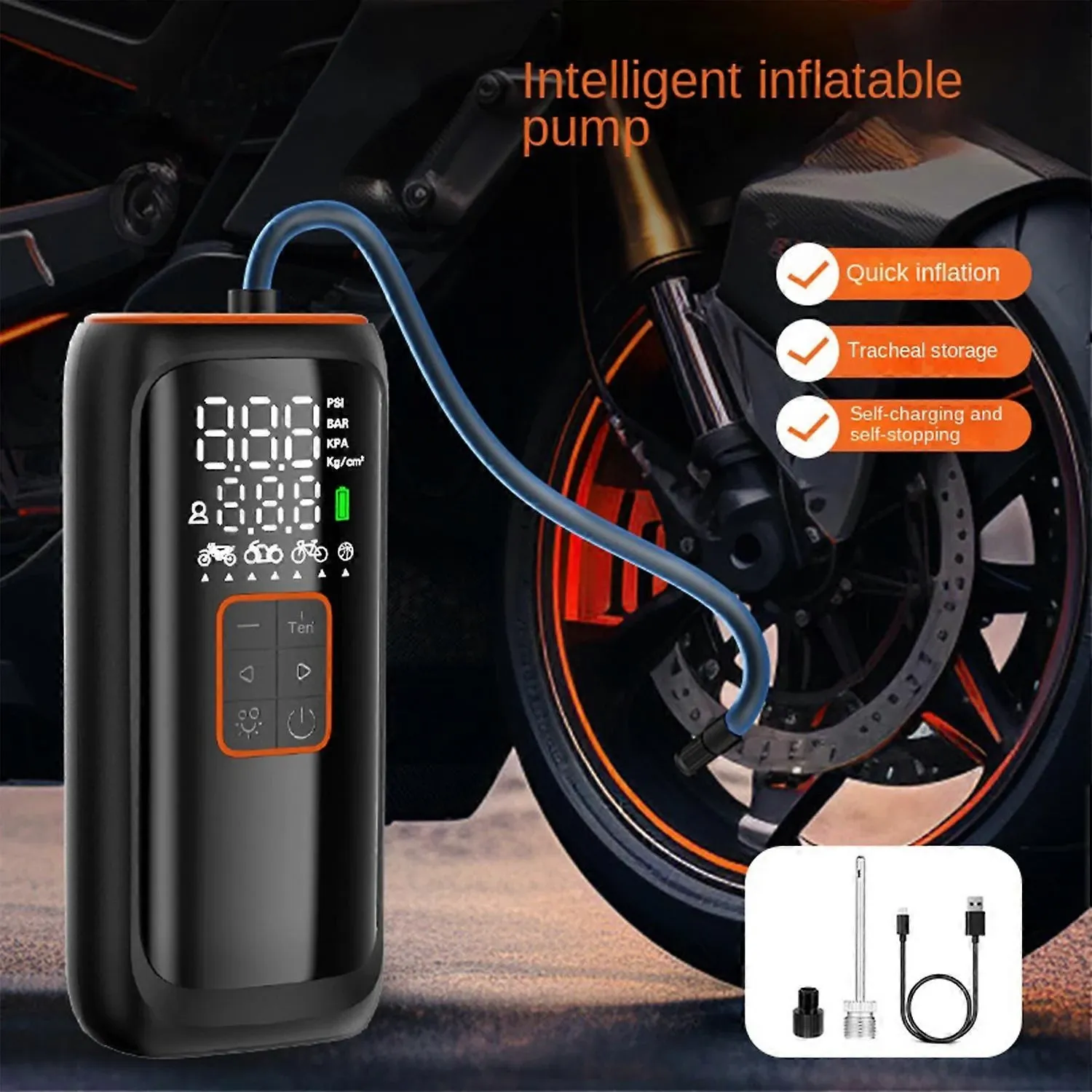
Product spotlight: A high-speed cordless air compressor with smart digital sensing and auto-stop technology — suitable for cars, bikes, and SUVs — is available from lmcllpor.co.uk at £43.52. The auto-stop feature means you set your target PSI and walk away. No over-inflation risk.

I keep one in the boot permanently. Takes 30 seconds to top up a soft corner before the school run. At under £45, it's paid for itself in extended tread life within six months.

How Often Should You Check?

Every two weeks is ideal. Monthly at minimum. Pressures drop naturally by about 1–2 PSI per month, faster in cold weather. Your car's recommended pressures are on a sticker inside the driver's door frame — not on the tyre sidewall (that's the maximum, not the target).

How to Find the Cheapest Tyres Near You

Finding the most affordable tyres in your local area

Everyone wants a deal. Fair enough. But "cheapest" shouldn't mean "dangerous." Here's how to find genuinely good value without compromising safety.

Online Comparison Tools

Black Circles and Tyre Shopper both let you enter your reg number, compare prices across brands, and book fitting at a local partner garage. The prices shown include fitting — no hidden extras. I've found Black Circles consistently £3–£8 cheaper per tyre than walking into a Kwik Fit branch for the same product.

Timing Your Purchase

Retailers run promotions cyclically. Kwik Fit typically discounts in January and September. Costco runs "buy 3 get 1 free" events on Michelin and Bridgestone roughly every quarter. National Tyres does regular "£10 off per tyre" codes through their email list — worth signing up for if you're not already on it.

The catch? Promotional stock sometimes means older manufacturing dates. Check the DOT code on the sidewall — four digits showing week and year of manufacture. Anything under 3 years old is perfectly fine. Over 5 years? I'd push back.

Part-Worn: A False Economy

Part-worn rubber sells from £20–£35 fitted. Tempting. But Trading Standards investigations have repeatedly found illegal and dangerous part-worns on sale — some with internal damage invisible from outside. The legal minimum tread is 1.6mm, but many part-worns arrive with just 3–4mm remaining. At typical wear rates, that's 6,000–8,000 miles of life. A new budget tyre at £45 with 7–8mm of tread gives you 15,000+ miles. The maths doesn't favour part-worn.

My advice? Avoid them entirely. The risk isn't worth the £20 saving.

Frequently Asked Questions

Frequently asked questions about tyre maintenance and purchasing
How much does a full set of tyres cost in the UK in 2026?

A full set of four fitted tyres in a common 205/55 R16 size costs between £180–£260 for budget brands, £280–£380 for mid-range, and £400–£580 for premium options like Bridgestone or Continental. Prices include fitting, balancing, valve replacement, and old tyre disposal at most major retailers.

Is Costco genuinely cheaper for tyres than Kwik Fit?

Yes, typically £10–£15 cheaper per tyre on premium brands. Costco's Bridgestone Turanza T005 in 205/55 R16 costs around £97 fitted versus £110 at Kwik Fit. However, Costco requires annual membership (£33.60) and doesn't stock budget brands, so savings only apply to mid-range and premium purchases.

Are mobile tyre fitting services safe and reliable?

Yes. Modern mobile fitting vans carry full professional equipment including hydraulic jacks, bead breakers, and electronic balancing machines. Services like Tyres on the Drive (Halfords-owned) and Hometyre employ trained technicians. The quality of fit matches any high-street garage, with typical appointment times of 30–45 minutes for two wheels.

What's the legal minimum tyre tread depth in the UK?

The legal minimum is 1.6mm across the central three-quarters of the tread, around the entire circumference. However, grip deteriorates significantly below 3mm — wet braking distances increase by up to 44% between 3mm and 1.6mm. Most safety organisations recommend replacing at 2–3mm rather than waiting for the legal limit.

Do I need winter tyres in Northern Ireland or Scotland?

Dedicated winter rubber isn't legally required anywhere in the UK, but it's strongly recommended if you regularly drive in temperatures below 7°C. All-season options like the Michelin CrossClimate (£90–£120 per tyre in 205/55 R16) offer a practical year-round compromise for Northern Ireland and Scottish drivers who face cold, wet conditions but infrequent heavy snow.

How can I check my tyre pressure at home without a garage visit?

A cordless digital air compressor lets you check and adjust pressures at home in under a minute per wheel. Units with auto-stop technology (available from around £43.52) allow you to set your target PSI and the compressor stops automatically. Check pressures fortnightly when cold — your vehicle's recommended figures are on a sticker inside the driver's door frame.

Key Takeaways

Key takeaways for buying and maintaining car tyres
  • Costco offers the best value on premium brands — typically £10–£15 cheaper per tyre than Kwik Fit for identical Bridgestone or Michelin products, though membership (£33.60/year) is required.
  • Black Circles gives the lowest online unit prices — but add £8–£12 per tyre for fitting at a partner garage, narrowing the gap to £5–£10 versus all-inclusive retailers.
  • Mobile fitting services match garage quality — Tyres on the Drive and Hometyre use full professional equipment with typical premiums of just £5–£15 over walk-in centres.
  • Mid-range brands offer the best cost-per-mile — Firestone, Falken, and Hankook deliver 25,000+ mile lifespans at 60–70% of premium pricing.
  • Part-worn rubber is a false economy — limited remaining tread life (6,000–8,000 miles typical) and documented safety risks make new budget options the smarter choice at £45–£55 fitted.
  • Check pressures fortnightly — under-inflation by 5 PSI accelerates edge wear and increases fuel consumption by up to 3%. A £43.52 cordless compressor eliminates the need for garage air machines.
  • Buy in January or September — major retailers run their deepest promotions at these times, with Costco's "buy 3 get 1 free" events offering up to 25% effective savings on premium sets.

Ready to upgrade your roadside kit with LMCLLPOR?

Secure Your Peace of Mind — £54.76