Digital Tyre Inflator UK: An Easy, Accurate Buying Guide
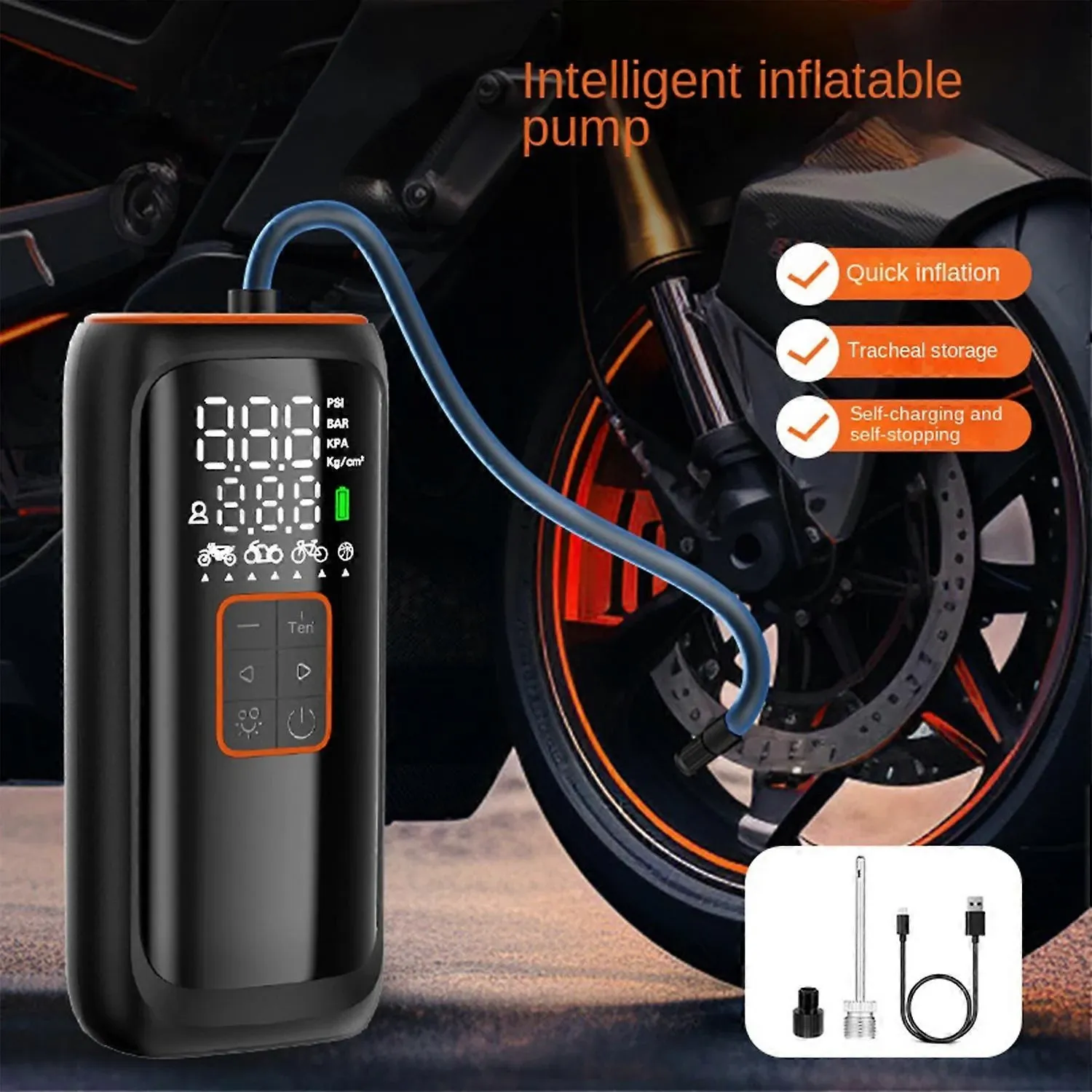
Short answer: the digital tyre inflator to choose is the one that is easiest to read and operate — a large, clear PSI display, a preset that stops the motor on its own, and a body you can hold and start with one hand. For anyone whose knees and eyes have had enough of foot pumps and tiny dial gauges, an accurate digital model (ideally ±1 PSI) removes both the effort and the guesswork. The motor matters far less than the display and the auto-stop.
If you have kept a car spotless for decades but the foot pump has become a battle — kneeling down, fighting the valve, then squinting at a shaky little dial — a good digital tyre inflator is a genuine upgrade, not a gadget. This guide is written for readers who value clarity and ease over specs, and who want to be sure the number on the screen can be trusted.
Why the display matters more than the motor
Every inflator moves air; the difference you feel every time is how you read and control it. An old analogue dial vibrates while you pump and uses tiny markings that are hard to judge, especially in poor light. A large digital display shows the exact pressure in big figures, and a good unit is accurate to about ±1 PSI — close enough that you are not second-guessing it. If reading the numbers has become the hard part, the screen is the single most important feature.
Preset auto-stop: set it and let go
The feature that changes everything for ease of use is the preset auto-stop. You dial in your target pressure once, press start, and the inflator stops the moment it reaches it — no standing over it, no risk of over-inflating, no needing quick hands. It is effectively a built-in safeguard: set the right number and you physically cannot pump past it. For anyone who worries about "doing it wrong", that peace of mind is the whole point.
Easy to hold, easy to charge
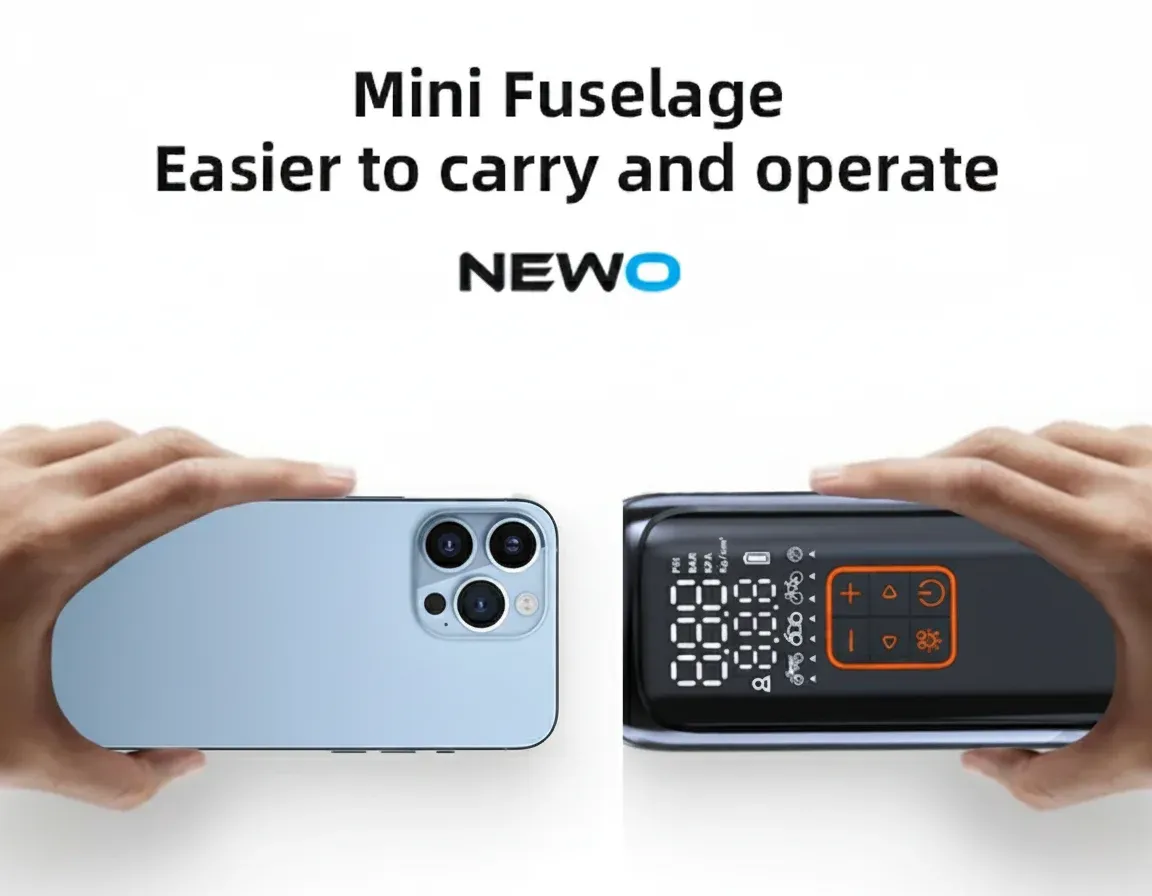
Look for a unit that is light enough to hold steady in one hand — around half a kilo is manageable — with a short, flexible hose so you are not wrestling the valve. Simple, well-spaced buttons beat a cluttered menu. USB-C charging means you top it up from the same cable as a phone, with no proprietary charger to lose, and a battery gauge tells you it is ready before you go out. A built-in LED light helps enormously when the valve is in shadow or you are checking after dark.
What good accuracy actually looks like
Accuracy claims are easy to print and harder to trust, so sense-check them. A reputable digital inflator quotes a tolerance such as ±1 PSI, and it is worth confirming its reading against a separate gauge once or twice a year in case the sensor drifts. Correct pressure is not fussiness — it keeps wear even and helps the tyres last, which is money back over time. Always set the figure from your car's door-sticker while the tyres are cold, as covered in how to check tyre pressure at home.
Our easy-to-use pick
The LMCLLPOR Digital Tyre Inflator (£54.76) is a good fit for anyone who wants clarity and no fuss: a large digital readout accurate to ±1 PSI, a preset auto-stop, one-hand cordless operation, an LED light and USB-C charging. It comes with free tracked UK next-day delivery, 30-day returns and a 12-month warranty with UK support, and holds 4.8 out of 5 from 300 reviews on the product page. The instructions are in plain English and the on-screen figures are large and legible.
If you also do the family's bikes, the cordless tyre inflator guide covers valves and battery life; newcomers may prefer the beginner's guide to car tyre inflators first.
Honest limits
A digital inflator is a top-up and checking tool, not a repair — if a tyre keeps losing air, see a garage. And no built-in gauge stays perfect forever, so an occasional cross-check against a standalone gauge is sensible. Pick the model whose screen and buttons you find easiest; that, not the motor size, is what makes it a pleasure to use.
Frequently asked questions
What makes a digital tyre inflator easy to use?
A large, clear PSI display, a preset that stops the motor automatically at your target, and light one-hand operation. Those remove the two hard parts of an old foot pump: the effort and reading a tiny dial.
How accurate is a digital tyre inflator?
A good one is accurate to around plus or minus 1 PSI. It is still worth checking its reading against a separate gauge once or twice a year, because any built-in sensor can drift slightly over time.
Does a digital tyre inflator stop on its own?
Yes. You set your target pressure and the preset auto-stop switches the motor off the moment it is reached, so you cannot over-inflate and do not have to stand over it.
Is a digital tyre inflator better than a foot pump?
For ease and accuracy, yes. A foot pump is hard work and relies on a small analogue dial, while a digital inflator shows the exact pressure and stops itself, which suits anyone who finds kneeling and squinting difficult.
Ready to sort your tyres in minutes? The LMCLLPOR Digital Tyre Inflator is cordless, reads to ±1 PSI and stops on its own at your preset — £54.76 with free tracked UK next-day delivery, 30-day returns and a 12-month warranty.